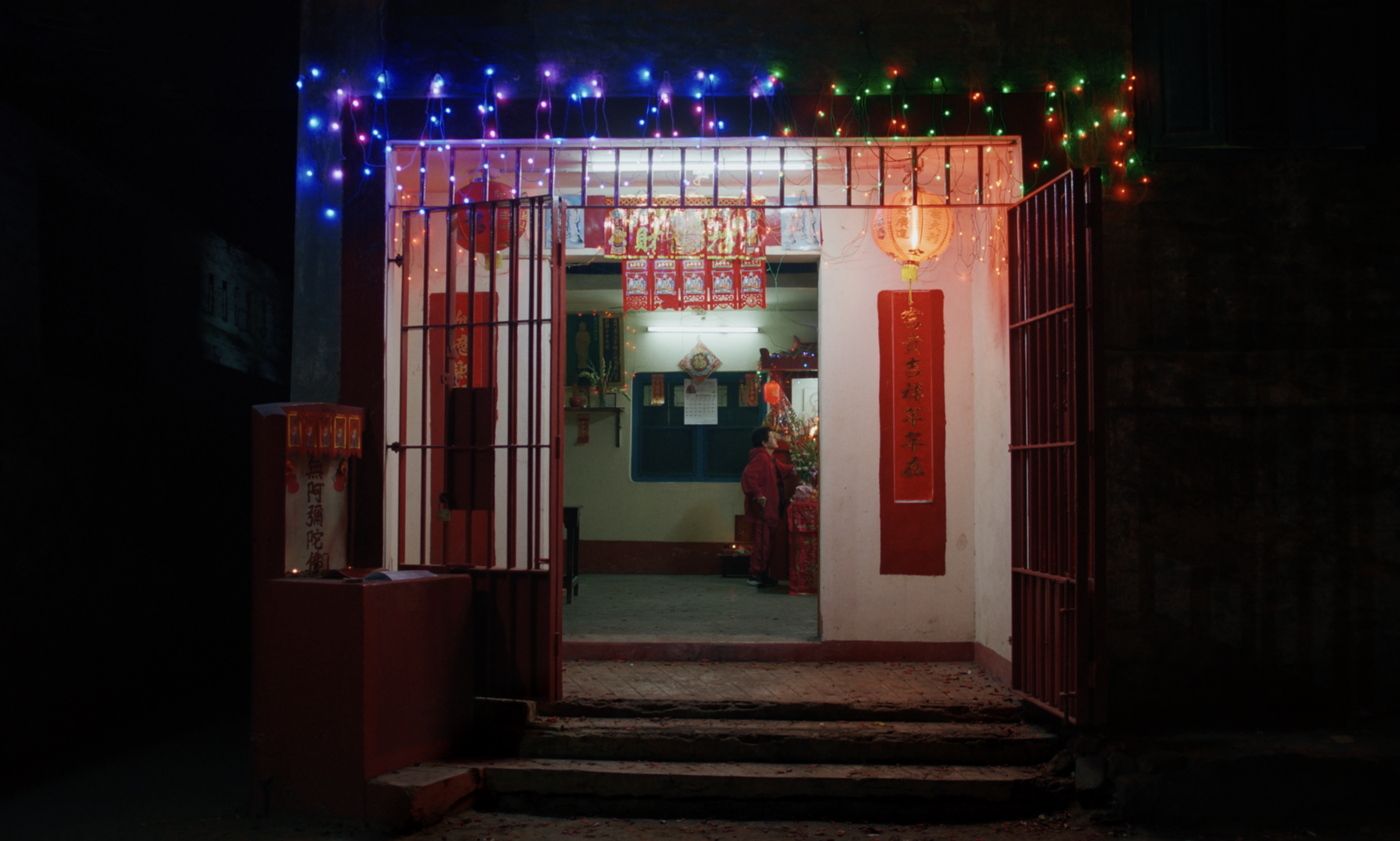
 Jennifer Chiu, a Vancouver Hakka-Canadian filmmaker, traces her family’s past in Kolkata, India and explores the impact of migration on identity, family, and cultural preservation in Clan of the Painted Lady. Chiu’s first feature documentary premieres at the Vancouver International Film Festival with screenings on October 6 & 9, 2025.
Filming Clan of the Painted Lady took Chiu back to her roots in China and India. Development for the project began in 2021, and production started in 2024. Just a month before Chiu left for India to shoot during Chinese New Year, her family finally agreed to participate in the film.
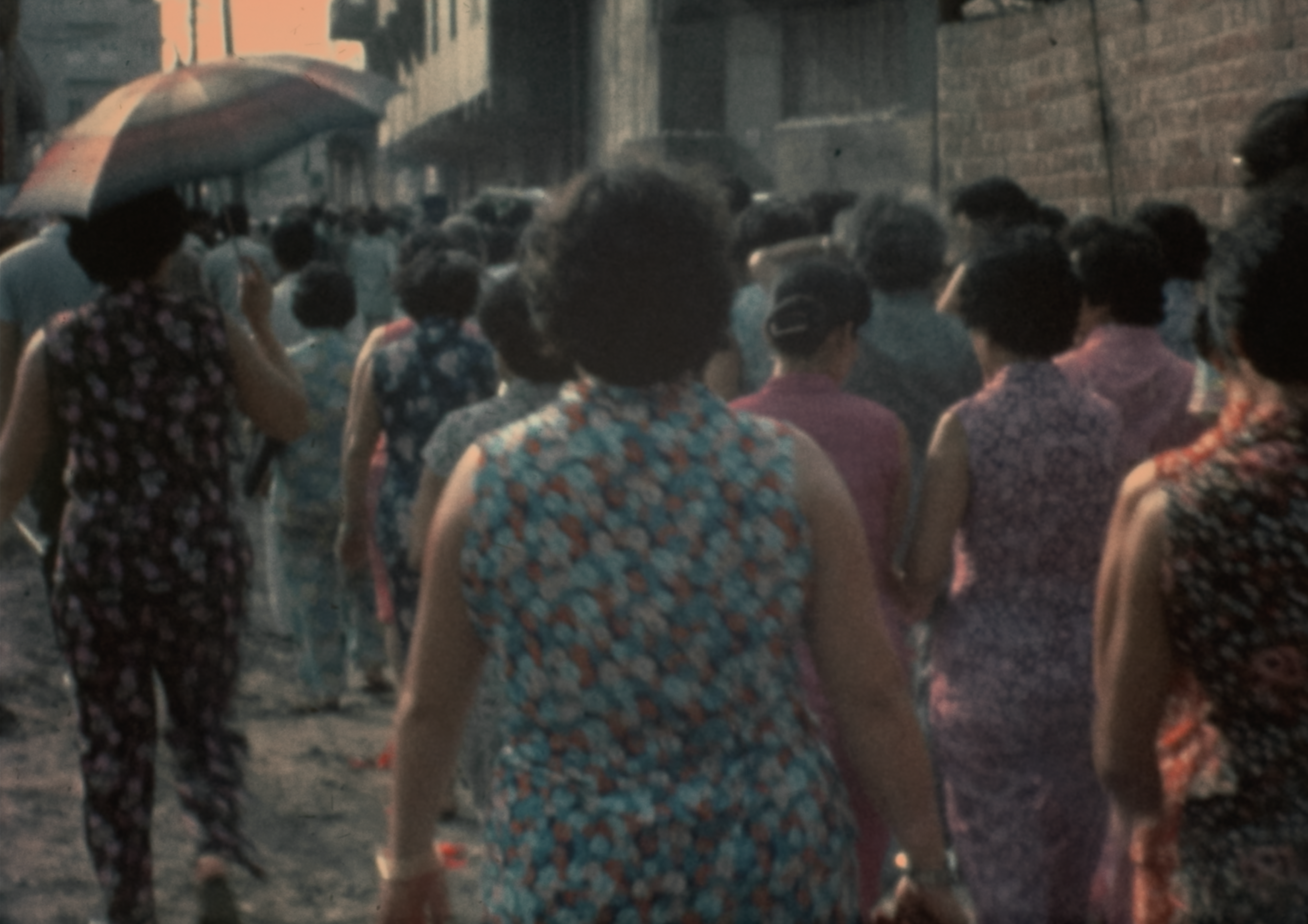
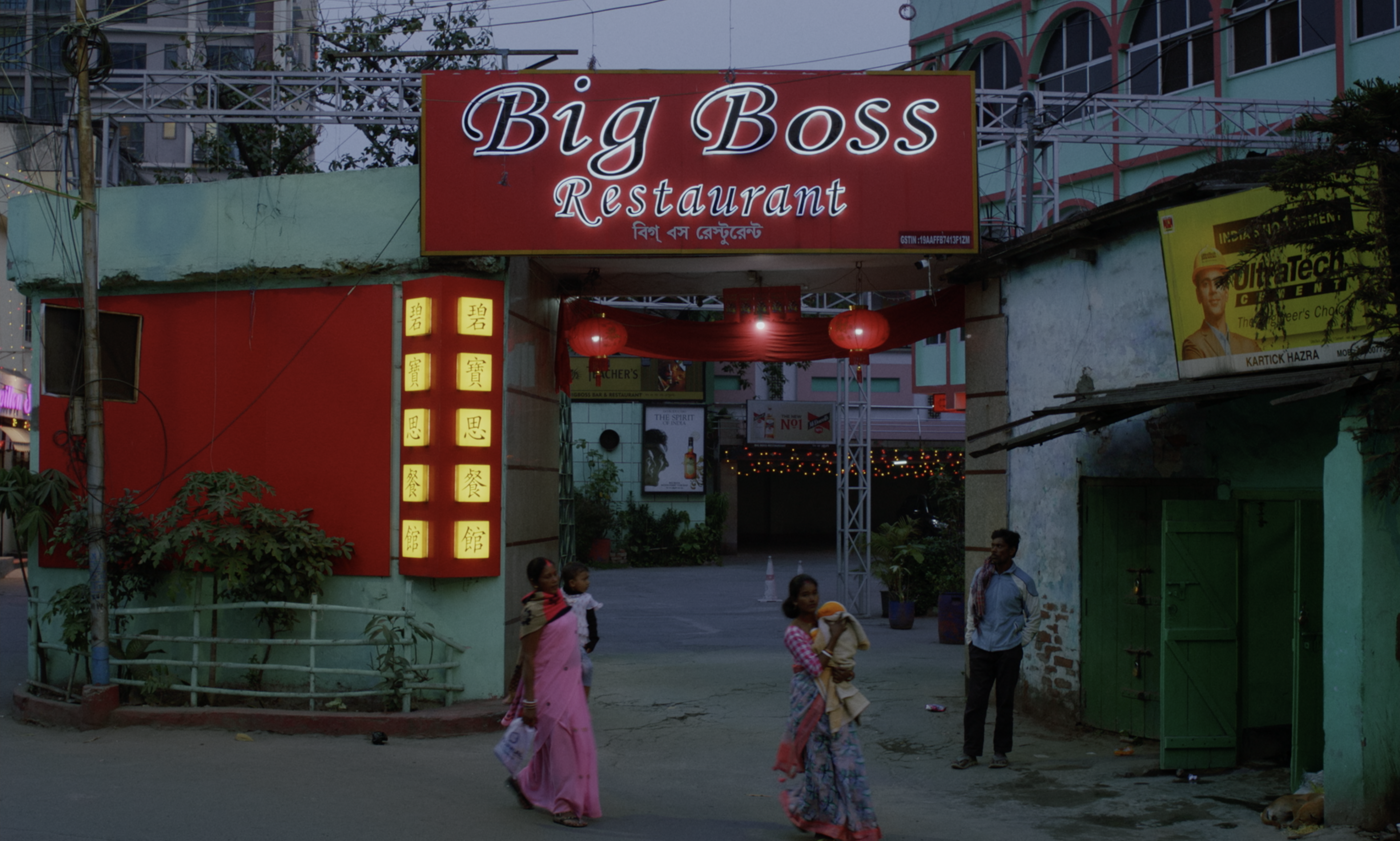
Both sides of Chiu’s family from Southern China migrated to India. Her great-grandfather was among the early generations of Chinese people to migrate around the world due to colonial trade routes (opium, sugar, and more). The Chinese community in Kolkata grew to over 20,000 by the early 1900s. Many had left China to escape conflict and civil war to work in Kolkata’s tanning and leather industries. They learned to speak Bengali and Hindi, started businesses, intermarried, and built a community. However, after 1962 and the Sino-India War (October to November 1962), the government persecution and imprisonment of 3,000 Chinese, including some deportations, resulted in migration to Taiwan, Hong Kong, Canada, Australia, the UK, and the US. Kolkata’s original Chinatown is still referred to as Cheenapara; the oldest one is located in Tiretta Bazaar, and the newer one is in Topsia or Tangra. The Hakka community in Kolkata established the first Chinese restaurants in India, and Sino-Indian (“Chindian”) cuisine gained popularity in India and around the world.
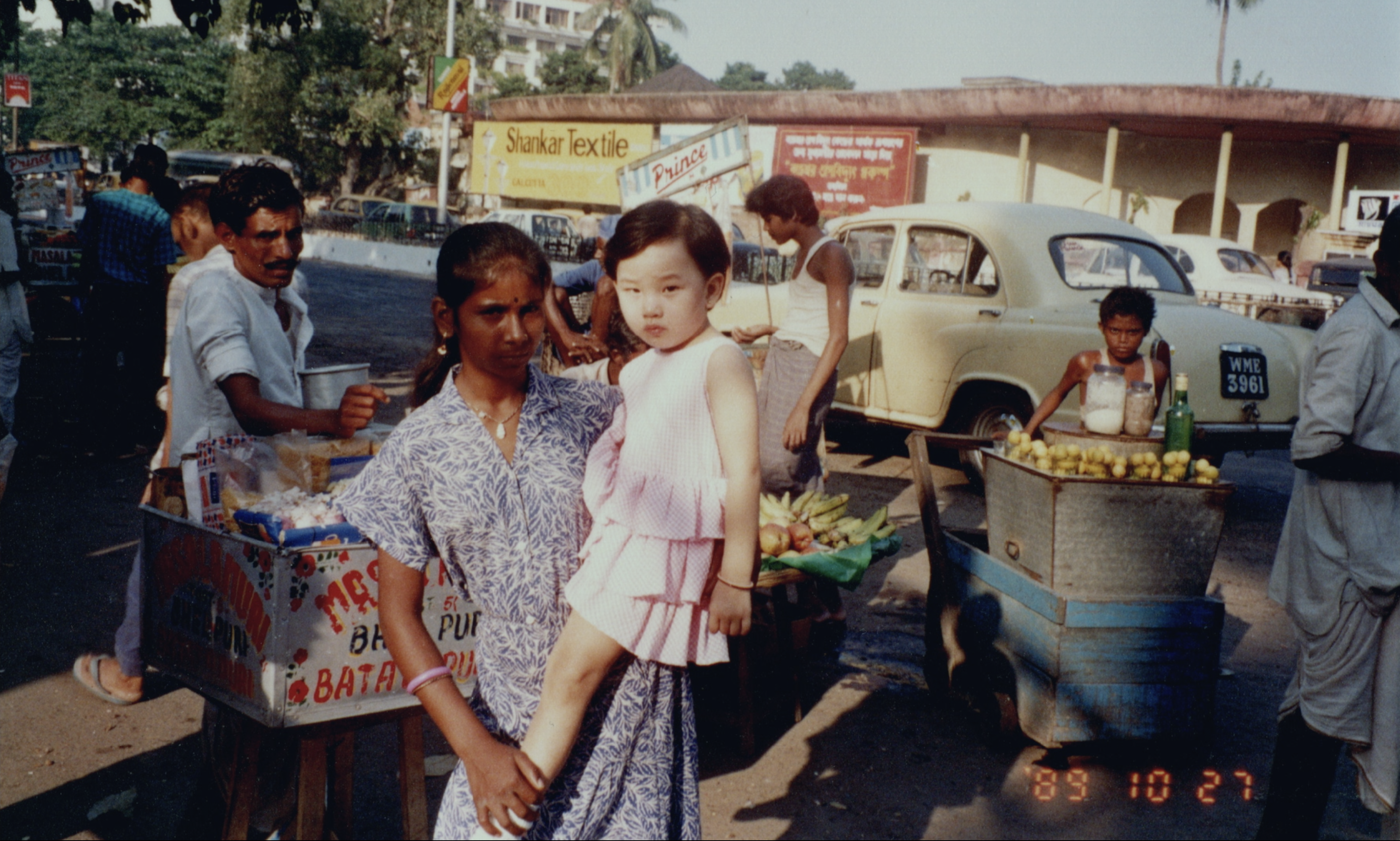
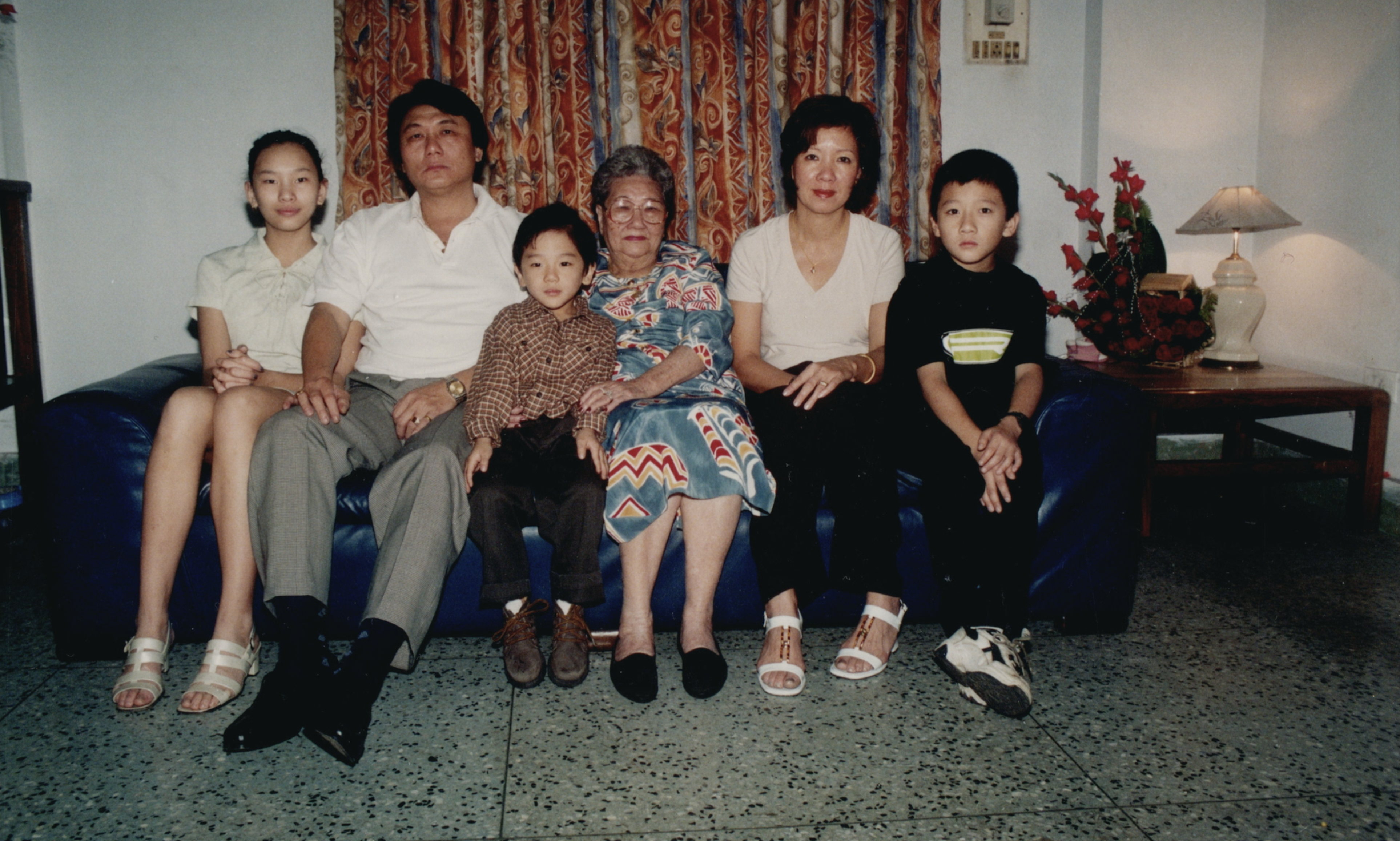
Chiu’s mother is of Cantonese descent, and her father is of Hakka descent. Born in India, Chiu immigrated to Canada with her mother and four siblings when she was three years old. While she grew up in the Lower Mainland, her father stayed in India to work in the tannery business started by her great-grandfather. Chiu grew up eating Hakka food with her grandmother. However, going back and forth between Vancouver and India, Chiu is also strongly connected to Indian culture through food. Her father only visited Vancouver periodically before retiring here.
Chiu is an award-winning writer, director, producer and documentary researcher living in Vancouver, British Columbia. Her dramatic feature INEDIA, and short films Memory of the Peace and CABBIE, have screened at international film festivals. Clan of the Painted Lady is her first feature documentary, produced by Amino Acid Technology in association with Knowledge Network.
Effie: Congratulations on the premiere of the Clan of the Painted Lady in Vancouver! We met in 2024 when you were filming in Vancouver Chinatown. What’s the most important thing for us to know about your film?
Jennifer: I wanted to follow my family’s story of migration. Lots of people are like me, searching for meaning in my roots and feeling disconnected. We’re in a great moment of cultural extinction and the film is an exploration of what I feel in myself to be a loss of culture. I don’t speak Cantonese or Mandarin and speak Hakka like a two-year-old. My family agreed to participate in the film just before I left for India. They didn’t want to, but they did it out of love.
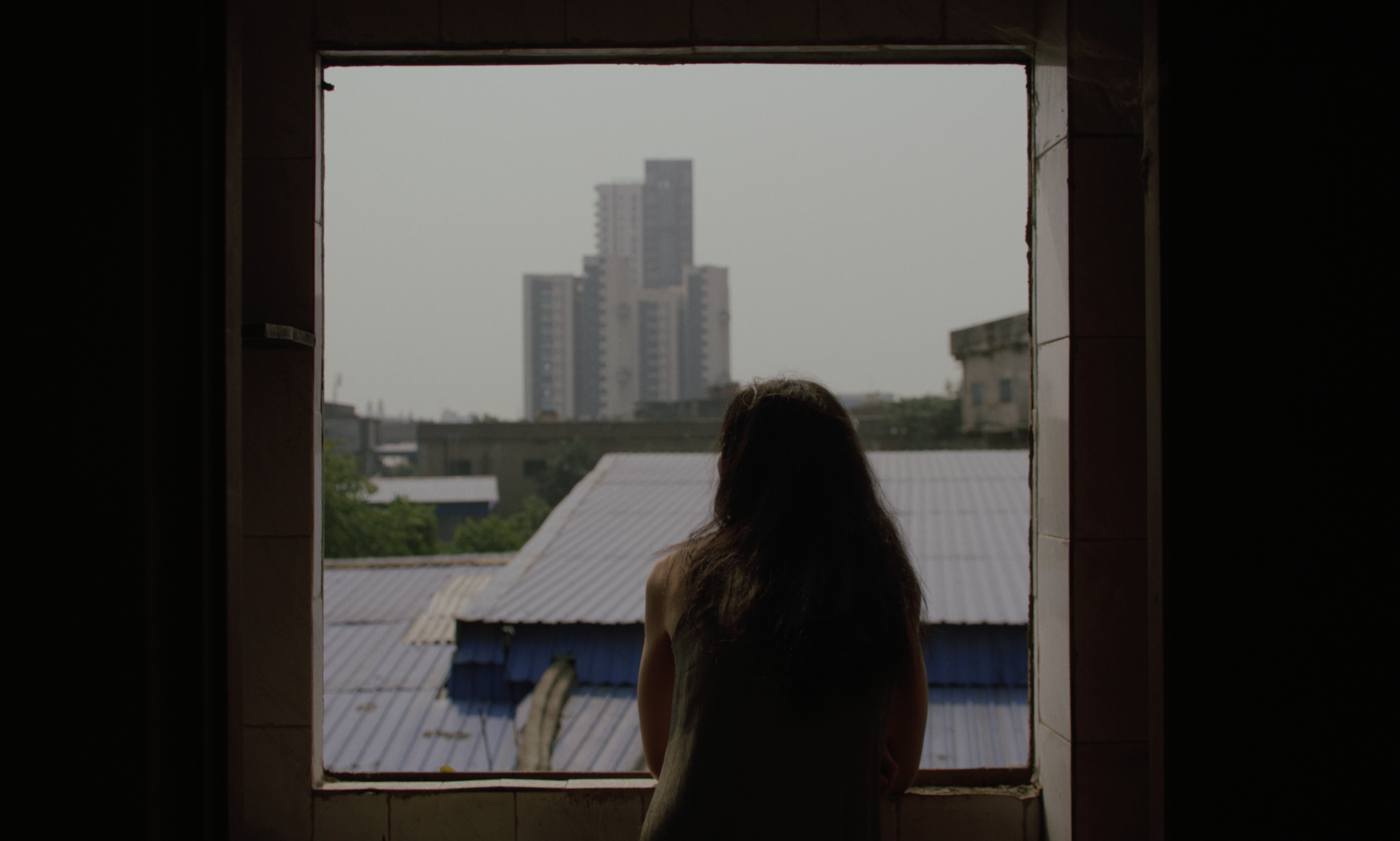
I started filming in India at Chinese New Year, which is a very nostalgic time for me. Hakka people come back each year to Kolkata. There are usually 600 or so people in the Tangra community, but it grows into 1,000 for Chinese New Year. The last chapter of the film is about India being my unexpected home. The Tangra community I grew up with is on its last legs. Hakka people have worked in tanneries and lived on top of them for generations. These areas, highly industrial, are being demolished and replaced with highrises. The first to sell were our neighbours, so there’s a huge building across from our place. My two cousins are the last ones in our family tannery.
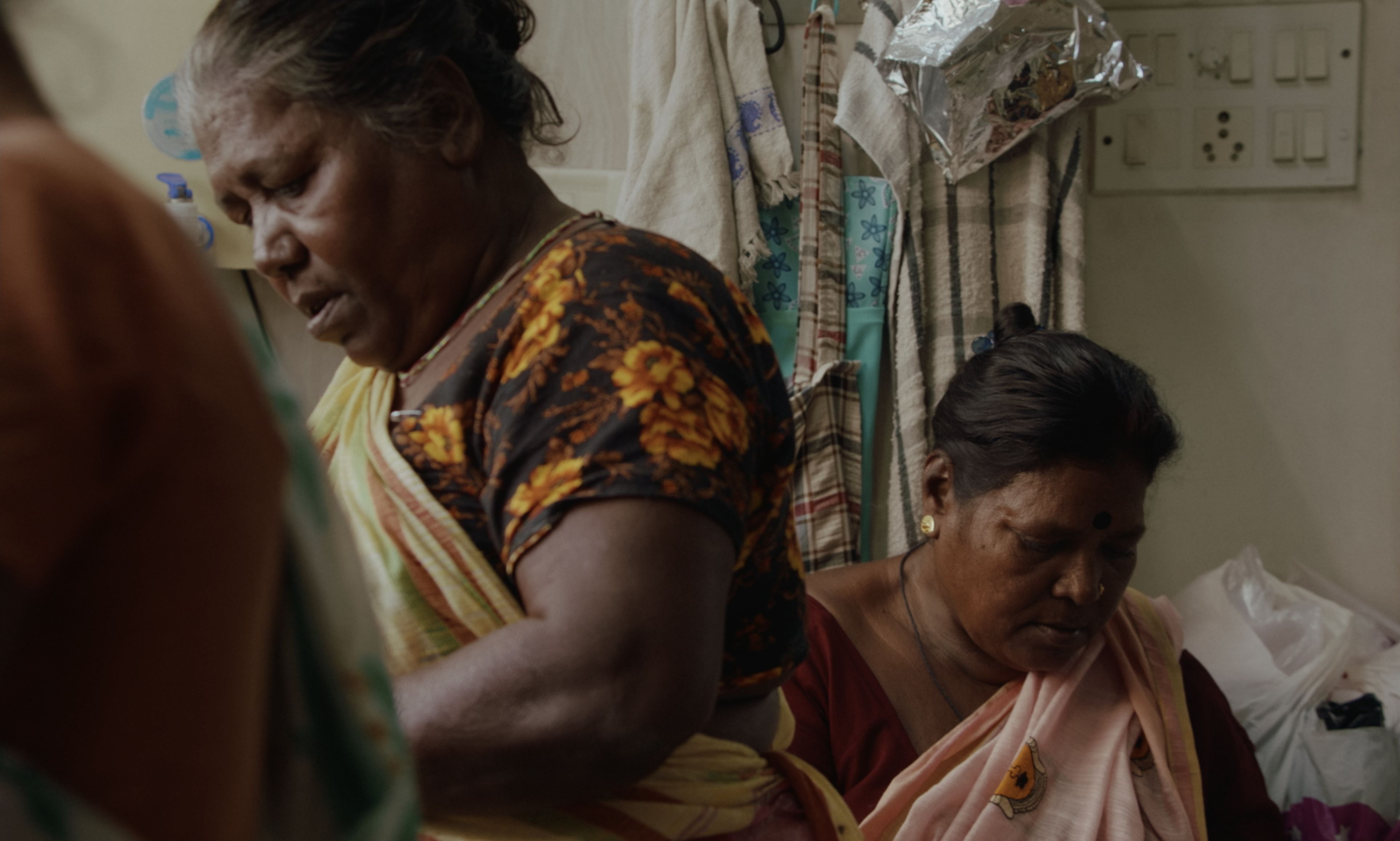
My main journey was to document this Chinese Indian community. My dad is a six foot tall Chinese man who speaks Bengali and Hindi. I may not look like it to some people, but I’m deeply connected to India. My connection to India is in the home. We eat curries at Christmas and food is such a core cultural experience.
Effie: How is the film a starting point for understanding Hakka and cultural identity?
Jennifer: I thought the project would help me find closure, but it opened up more questions.
My personal story is woven through, but the film is a community story across Canada and India.
The connection between generations is the central piece of cultural preservation. When it’s broken or taxed, culture is lost. What would help is to talk to your family and ask questions before it’s too late. In Toronto, I filmed a conversation in Toronto with a Hakka organizer and her son and, although she’s passionate about making sure the culture is passed on, he’s not as interested. It turned out to be the most insightful piece of footage that I captured.
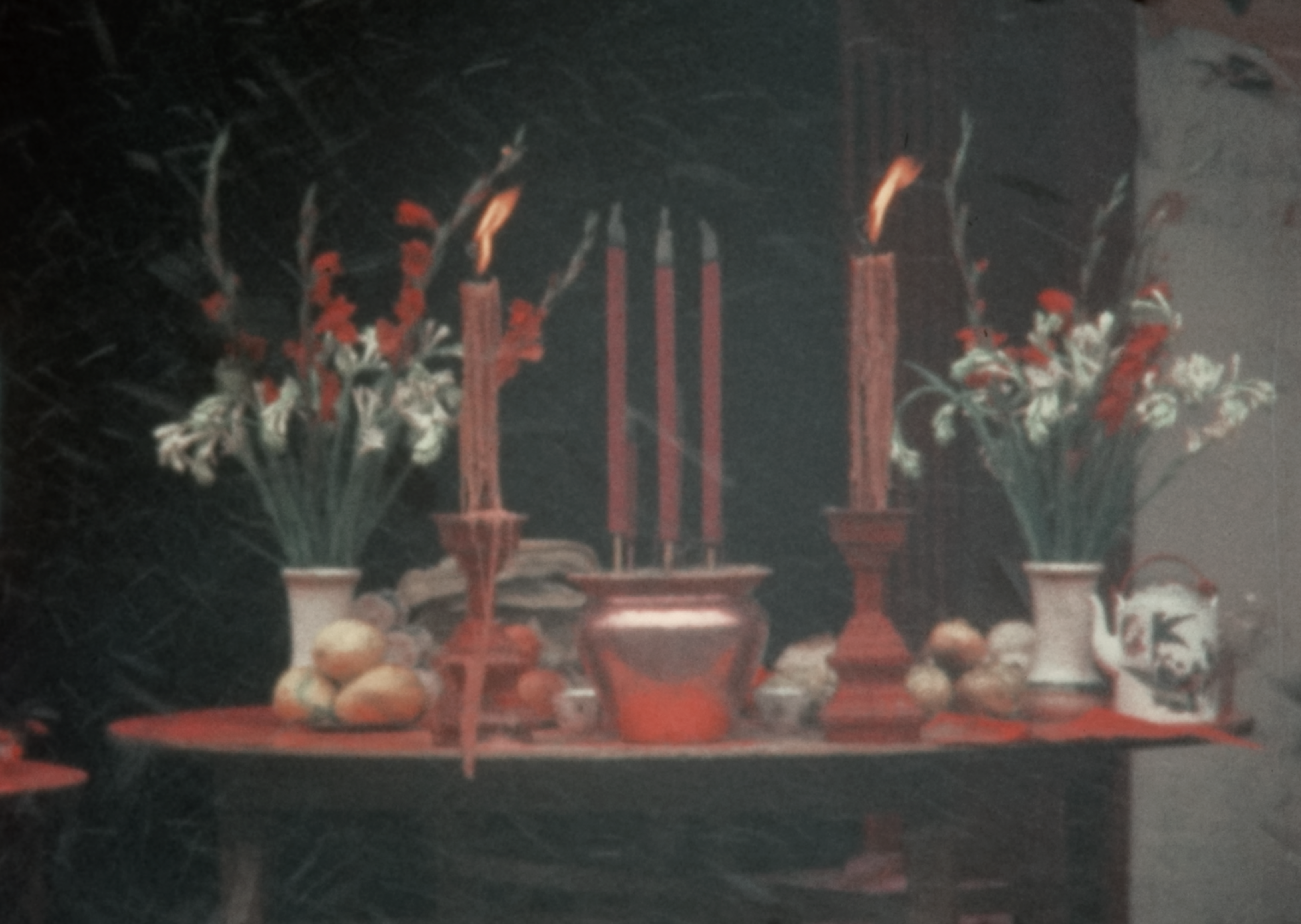
I want to give room for audiences to see the adaptability and fluidity of culture. Whatever Hakka culture is in the future, is what we make of it now. This is the generation carrying it on.
Effie: How will you continue to explore your Hakka identity?
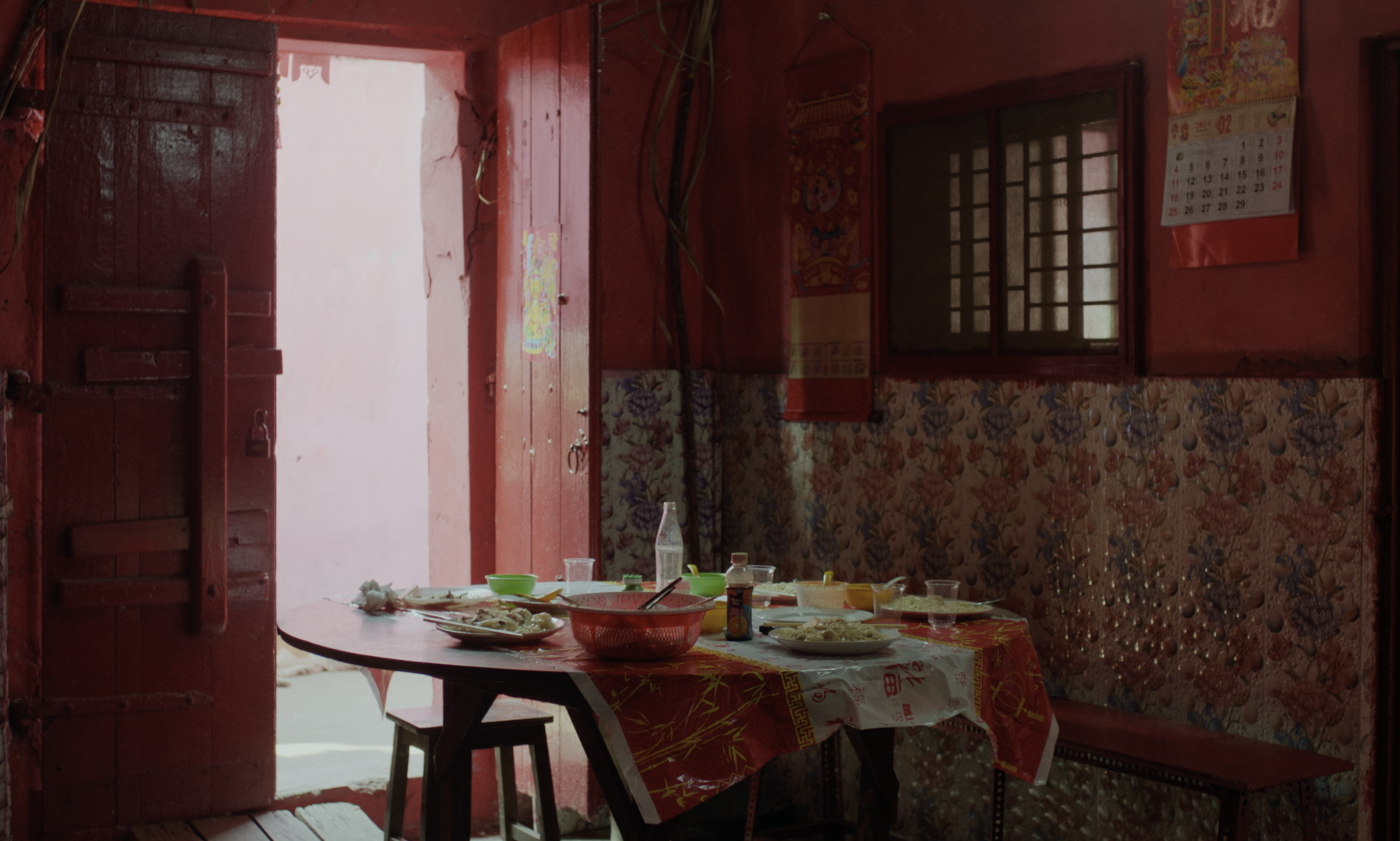
Jennifer: My sister’s way of cultural preservation is to create a booklet of family Hakka recipes. We will launch some of these recipes on my website starting with yong tau foo (酿豆腐), a Hakka dish of stuffed tofu or vegetables and we’ll include a vegetarian version. Link to: https://jennifer-chiu.com/
I definitely want to explore more stories and continue to participate in the community. Now I have a Hakka community of friends. One of my favourite things is discovering a global community of Hakka people and associations in India, Jamaica, Mauritius, Taiwan. Although it didn’t make it into the film, I attended the World Hakka Conference in 2022 and everyone felt like my aunt and uncle! What do we all have in common? It’s a story of our ancestors making this grand migration.
Effie: What else would you like to share about your journey so far?
Jennifer: What I appreciated in making the film was the process of learning. I also asked what it means to be Chinese. China is one of the largest land masses, with so many micro cultures and regional cuisines, which people in China understand. It’s absolutely not a monolith. As a Westernized Chinese person I know this, but homogenization of culture faces many of us. In my previous work with Indigenous communities who have faced cultural extinction and loss of languages, I’ve had the opportunity to think about my traditions and what they mean to me.
My story isn’t that unique. I know my family endured a lot and there’s so much I don’t know. It’s common in China and Southeast Asia to have a parent who’s not there. This desire to move for a better life usually requires people separating. I visited my grandfather’s house in his village in China when I was 15. This curiosity about my family’s migration was with me for a long time.
Effie Pow is a writer/editor and cultural connector interested in storytelling, creative collaboration, and arts-based community engagement. Effie was a storyteller in Gateway Theatre’s True Voices: Pride Storytelling & Tea and Zee Zee Theatre’s Queer Asian Story Collection, and has produced Perilous Words writing workshops (LiterAsian Festival), Hakka Bridges, and Transforming Trauma through Words and Music, inspired by themes of identity, home, and migration. IG @perilouswords