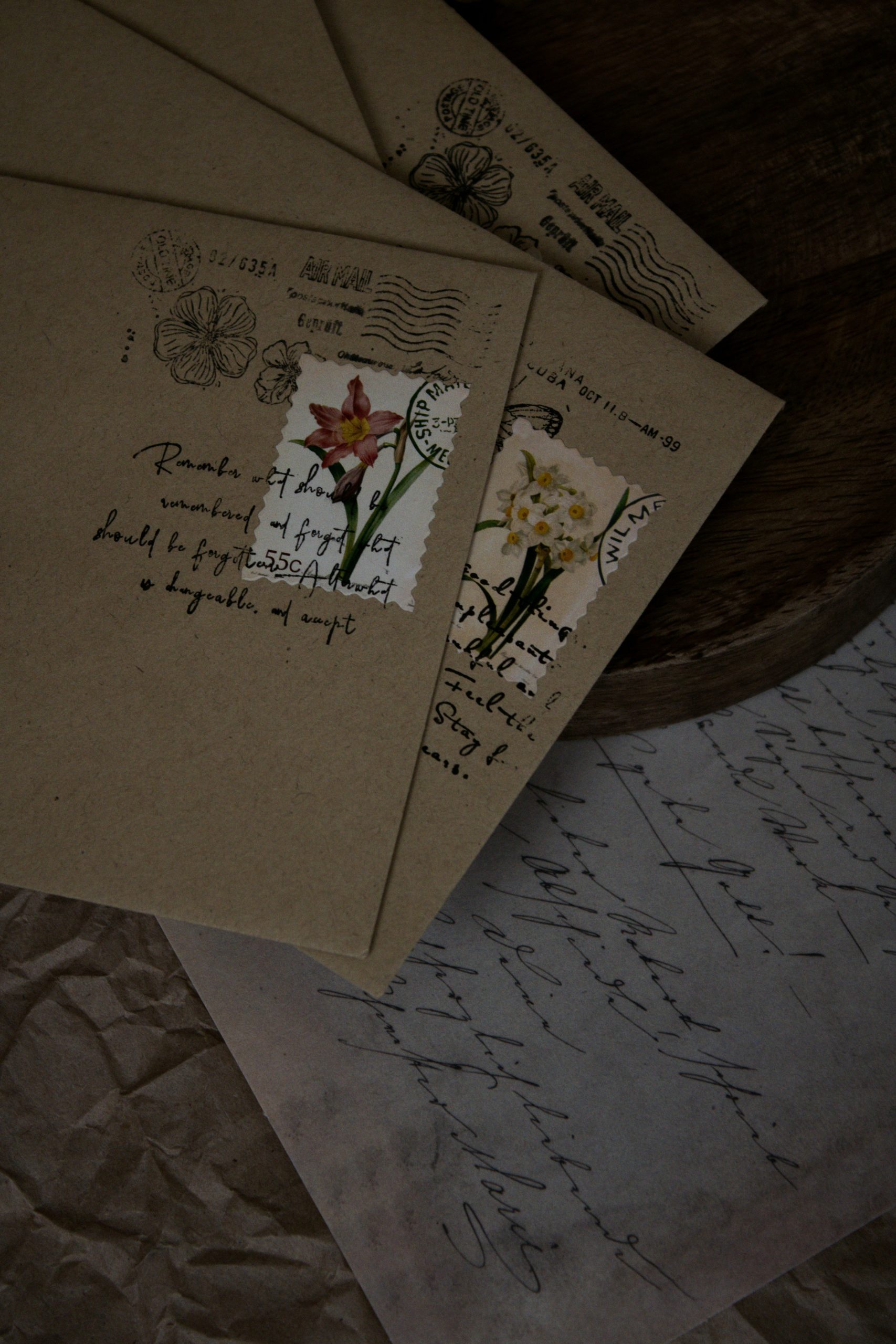
Art by Olha Vilkha
It was Priya’s first invitation to an American wedding. She traced her finger over the elegant scroll script and the embossed cross on the invitation, then immediately checked “Accepts with Pleasure” on the smaller RSVP card. For eleven years, Priya’s family lived in a ranch-style house in suburban New Jersey next to Gail Murphy’s five-bedroom house with a pool and game room. As an immigrant from India living in a community of white families, Priya had tried to make friends with her neighbours, Gail, Diane and Marcia. When she first moved into the neighbourhood, Priya invited them to tea; they accepted her third invitation. They were excited to try the chai tea, they said, and refused to taste the samosas, which they concluded would be too spicy. Priya’s son said, “Don’t they know chai means tea? Why are they saying they want to have tea-tea?” During the summer, Gail invited Priya and her family to use their pool on a humid day. Now, Priya was excited to attend Gail’s daughter’s church wedding; so far, she had only watched such weddings on TV. She felt that being invited to a church wedding hosted by a white family meant she had arrived.
Two months later, Priya sat in a pew decorated with swags of tulle; sunlight streamed in through the stained glass. Most of the rituals at the church and reception were new to Priya. She was especially enthralled with the three-tier wedding cake which matched the vintage ivory look of the invitation. Soft pink roses cascaded down the cake and pearls bordered each tier. Later, Priya worried about food waste when she saw many guests pushing away lace-patterned plates of untouched cake slices. Soon, the DJ announce the last dance and stifled a yawn. Gail walked across the room in her blue chiffon dress and sat at Priya’s table. Priya hoped that Gail would take off her heels, put her feet up and chat.
Gail said, “I have a lot of leftover wedding favours. I know your boys love chocolates! We eat these Haute Monde chocolates all the time. Stop by tomorrow and pick them up, will ya?” Before Priya could respond, Gail walked off. Gail’s offer made Priya feel like they were truly friends. Priya recognized the brand name. She could only imagine tasting them because the chocolates were a hundred dollars a pound.
The next morning, after sending the kids to school, Priya texted Gail:
Thank you for the chocolate. When can I pick it up?
She heard a ping right away and read Gail’s reply:
I cannot take any more of her cheerful face and her saccharine voice with its vaguely British accent. She already talked too much with me at the wedding.
Priya stopped wiping the breakfast table and sat down to reread the message; she concluded the text was meant for someone else and ignored it. Later, when doing the breakfast dishes, she ruminated over Gail’s note and wondered if it was about her because she pronounced her words in a British way. She tried to recall how many times she had spoken to Gail at the wedding and remembered two conversations, complimenting Gail on the pew decorations and the fresh hydrangea bouquets. Yet, was her husband right when he sometimes complained, “Priya, you go on and on. Please give me an executive summary.” And why did Gail say “saccharine”? That word made Priya remember her mother’s contorted face while stirring the sugar substitute into her coffee. Drying the dishes, Priya recalled wedding guests from the UK and Ireland who spoke with accents. She deleted the text, certain that it wasn’t meant for her.
The doorbell rang. Priya was startled to see Gail behind the storm door because her neighbour always texted beforehand. A quick breath escaped her; she looked at herself in the foyer mirror and smoothed her hair. She opened the door. Gail shuffled in with a brown shopping bag and sat on the sofa, without taking off her shoes, as was the custom in Priya’s house. She stared at the floor and muttered, “Sorry!” Priya gently patted her back; she didn’t know why Gail was apologizing. Gail’s shoulders relaxed. Seeing Gail, her fifty-something white neighbour soften at her warm, brown, immigrant touch made Priya wonder if Gail received much tenderness.
Priya and Gail found each other annoying at times but they tried to get along. Priya found Gail’s Catholic-centric ways rigid, but she reminded herself that she too came from strict Brahmin ways. Whenever Gail spoke about renovating her kitchen, her bathroom, or her basement, Priya tried to leave.
On the other hand, Priya’s enthusiasm for learning American idioms didn’t impress her Irish-American neighbour. Gail often rolled her eyes when Priya used phrases like quit cold turkey and hold your horses when she was clearly not American. When Priya returned from her India trips with a stronger accent and a bobblehead nod, Gail said, “That’s more like it!” Yet, the two women watered each other’s plants over vacation and exchanged homemade sweets during Diwali and Christmas.
Gail said, “You know, this wedding was so very stressful! I’m relieved it’s over! I didn’t share this with many people but Fiona moved in with Tim a few months before the wedding! She said that her lease was up and it was closer to her job. Greg was furious and refused to walk her down the aisle since she chose to live in sin!” Gail inhaled, “Trying to make peace between Greg and Fiona was …” She threw up her arms and let them flop. Priya thought Gail looked like the wounded bird she had seen in the yard.
Suddenly, Gail handed Priya an envelope and a round, decorative foil platter of loose chocolates wrapped in cellophane and tied with an Haute Monde ribbon. Priya felt happy as she eyed the chocolates. Gail got up to leave and Priya spontaneously gave her a hug. In a shaky voice, Gail said, “Thank you.”
Now, Priya read Gail’s letter:
“I am very sorry about the text. I was a nervous wreck after the wedding. You have been a good neighbour and I had no business sending you that note. I cannot expect it but will you forgive me?”
Priya’s hands trembled. The letter fell to the floor. That mean text was no mistake. She had never been punched in the gut, but she imagined this is what it might feel like.
Priya wished she had read the letter when Gail was with her; she might have refused the chocolates, and confronted Gail. She thought the generous gesture on Gail’s part would bring them closer, but Gail was not easy to figure out. Sometimes when Priya complained about her unsupportive boss, Gail responded, “That’s America for ya!” Priya’s annoyance deepened when she remembered Gail’s usual remark about her children: “I’m sure the boys will study STEM in college and become doctors.”
Earlier, the chocolates appeared delicious. Now they looked like forbidding dark splotches. One Valentine’s Day, Priya longed for a box, but it cost the same as her son’s trumpet lessons, so she walked away. Priya no longer wanted to surprise her boys with the chocolates. Even her favorite caramel sea salt, which she calculated would be about five dollars a bite, lay looking spooky. Donating these expensive chocolates to food pantries wasn’t an option; they didn’t take unpackaged goods. She thought of her other neighbour but sweet-toothed Diane was diabetic; she couldn’t do that to her! Maybe she could drop it off on the steps of the church like they did orphan babies in old movies! She sniffed to see if unpleasant odors were emanating from the chocolate. Holding the platter away from her body as if it were radioactive, she left it on the backyard patio table.
She sat on the lawn chair with the faded cushion. Across the fence in Gail’s yard, Greg, with earphones, sat on a deck chair reading a newspaper. Gail was bending over and pulling weeds. A squirrel sat at the base of their oak tree intently watching Gail. Suddenly, Gail turned to the squirrel, sat on her heels, and started to tell the squirrel about the wedding.
Priya took a deep breath and closed her eyes. The sun warmed her. The gentle breeze calmed her and she drifted off. Soon, the hiss of the school bus braking woke her.
She opened her eyes. In front of her lay a puddle of chocolate mud on shining silver.
Brunda Moka-Dias works as an educator and has studied writing in a few workshops including at the Iowa Summer Writing Festival. She is an emerging Pushcart-nominated writer; her stories have been published in Image Journal, Lost Balloon and is forthcoming in Flash Frontier.